What is Planet Arts and what do they manufacture?
+
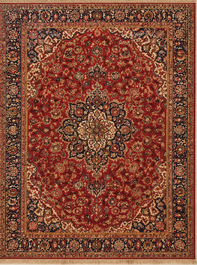
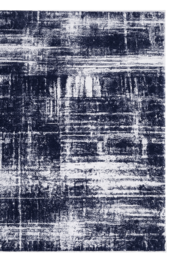
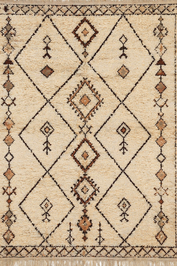
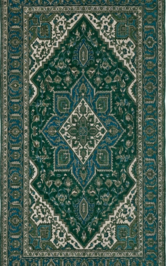
Planet Arts is a CEPC-certified luxury handmade rug manufacturer and exporter based in Jaipur, Rajasthan, India, founded in 2004. We manufacture bespoke hand-knotted rugs, handwoven rugs, hand-tufted rugs, flatweave kilims, and dhurries in premium wool, silk, bamboo silk, jute, and cotton. Our studio and showroom is at 31 Jagdish Colony, Amer Road, Jaipur 302002. We supply to luxury hotels, interior designers, architects, and global retailers in over 40 countries.
What is the difference between hand-knotted and hand-tufted rugs?
+
Hand-knotted rugs are made by tying individual knots by hand onto warp threads on a loom — a 9×12 ft rug at 200 KPSI (knots per square inch) contains over 1.5 million hand-tied knots and takes 3–18 months to complete. The result is a structurally integral piece with no glue or backing — it lasts 50–100+ years and appreciates in value. The back of a genuine hand-knotted rug mirrors the front design exactly. Hand-tufted rugs use a tufting gun to push yarn through a canvas backing, which is then covered with a secondary fabric backing. They are produced in 3–8 weeks, cost significantly less, and last 10–25 years. Both are handmade, but they represent fundamentally different levels of investment and longevity.
How long does it take to manufacture a custom handmade rug?
+
Lead times depend on weaving technique, size, and design complexity. Hand-knotted rugs: 10–24 weeks. Hand-tufted rugs: 6–10 weeks. Flatweave kilims and dhurries: 4–8 weeks. Before production begins, we produce a design proof (5–10 business days) and a physical sampling for your approval. The full production timeline is confirmed at sampling approval, allowing accurate project scheduling. Rush commissions can be discussed for hand-tufted and flatweave constructions — contact us for availability.
Does Planet Arts export internationally? What markets do you supply?
+
Yes. Planet Arts is a CEPC-certified exporter with active supply relationships in over 40 countries including the USA, UK, Germany, France, Netherlands, Australia, UAE, Canada, Japan, Singapore, and Sweden. We manage all export documentation — Certificate of Origin, quality inspection reports, material specification sheets, and customs documentation. FOB (Free on Board) and CIF (Cost, Insurance, Freight) pricing are both available. We have experience with the import classification requirements of the EU, UK, USA, Australia, and Japanese markets.
What materials do you use and how do I choose the right fibre?
+
Planet Arts uses premium New Zealand and Indian clip wool, pure mulberry silk, bamboo silk (regenerated cellulose), natural jute, organic cotton, and luxury yarn blends. For high-traffic areas (hotel lobbies, living rooms, corridors), we recommend wool — naturally resilient, lanolin-coated, and flame-retardant. For low-traffic luxury statement spaces, silk or bamboo silk delivers superior sheen and visual impact. For sustainable, natural interiors, jute and cotton are the appropriate choices. For dining rooms, a cotton flatweave dhurrie offers the practical advantage of reversibility and machine-washability. We provide physical material samples on request — contact us to receive a sample pack.
Can Planet Arts supply rugs for hotel or large commercial projects?
+
Yes. Planet Arts has extensive experience in hospitality and commercial rug supply. We work with interior architects, FF&E consultants, hotel procurement teams, and property developers. For hospitality projects we specify higher-KPSI wool constructions for durability, maintain consistent dye-lot records across multi-zone projects, and provide phased delivery to align with hotel opening schedules. We manage all FF&E documentation. Enquiries for 10+ unit projects receive a dedicated project coordinator. Contact us with your project brief for a full capability discussion.
What is KPSI and why does it matter when buying a rug?
+
KPSI stands for Knots Per Square Inch — the primary quality and value metric for hand-knotted rugs. It refers to the number of individual hand-tied knots in each square inch of the rug. A higher KPSI means finer detail in the design, greater pile density, longer production time, and higher intrinsic value. KPSI ranges from approximately 40 (coarser, tribal-style rugs) to 300+ (fine Persian and Kashmir-quality pieces). A 500 KPSI silk rug can take 4 master weavers 14 months to complete. When comparing two hand-knotted rugs of similar size, always ask for the KPSI specification — it is the single most meaningful indicator of what you are actually purchasing.
How do I care for my handmade wool or silk rug?
+
For wool rugs: vacuum weekly using suction-only (never the beater bar, which damages pile structure). Rotate 180° every 6–12 months for even wear distribution. Use a quality rug pad to prevent underside abrasion. Blot spills immediately with a clean white cloth — work from outside the spill inward. Wool's lanolin coating provides natural stain resistance. Professional cleaning every 3–5 years using a specialist oriental rug cleaner is recommended. For silk rugs: no beater-bar vacuuming; specialist silk cleaning only; never machine wash. Store any handmade rug rolled (never folded) in breathable cotton — never plastic — in a dry environment. Avoid prolonged direct sunlight exposure on any natural-fibre rug.
What is the minimum order quantity for wholesale buyers?
+
There is no minimum order quantity for retail, individual, or custom commission purchases. For wholesale and export repeat orders, MOQ varies by construction: hand-tufted and flatweave rugs typically require a minimum of 10 pieces per design per colourway; hand-knotted rugs typically 5 pieces. Custom single-piece commissions are accepted for luxury residential and hospitality clients at any quantity. Contact us with your buying requirements and we will confirm applicable terms and pricing structure.