Planet Arts · Germany Export Cluster

From Specification
to Surface.

Custom and handmade rug development for Germany-based designers, architects, hospitality projects, retail businesses and commercial interiors — entered at whatever stage your project has reached.

Manufactured in Jaipur, IndiaDeveloped for international projects
01The Brief

A rug is not always chosen at the end.

It can begin with a specification, a drawing, a floor plan, a material direction or a collection plan. Planet Arts works with Germany-based designers, architects, hospitality teams, retailers and commercial project teams to develop the rug from the point the project has reached.
02The Variables

The decisions that shape the surface.

Scale

Influences how pattern and proportion are perceived across a room.

Shape

Defines the relationship between the rug and the architecture around it.

Material

Determines surface character and how colour is expressed.

Construction

Governs density, structure and the tactile behaviour of the surface.

Surface

The visible result of material and construction working together.

Density

Affects definition, weight and the way light falls across the pile.

Texture

The tactile quality read both by hand and from a distance.

Colour

Reads differently depending on material, construction and light.

Pattern

Scale and material change how a pattern is understood in a space.

Edge

A detail that affects how the rug meets the floor and the room.

Environment

The intended space shapes which variables take priority.

03Pathways

Different starting points. One considered process.

Specification

Dimensions, material, construction and performance requirements already defined.

Reference

Images, artwork, samples or palette directions that need interpretation into a workable rug.

Collection

A coordinated range or product family developed for retail, hospitality or a homeware brand.

04Material

Material is part of the design.

Fibre, construction and density influence surface, colour perception, weight and tactility. These decisions are explored together, so the final rug reflects the intended environment rather than a generic material choice.

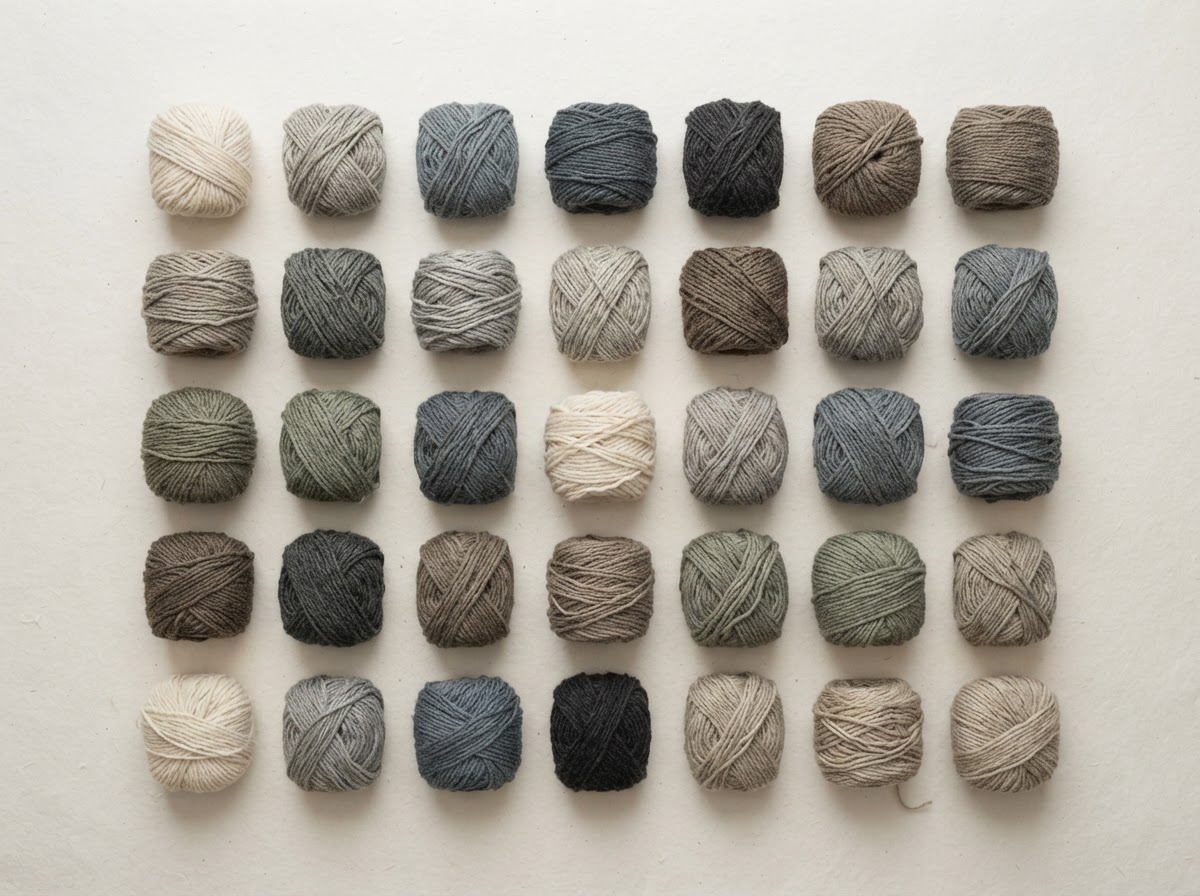
Material detail of a handmade rug

Material direction

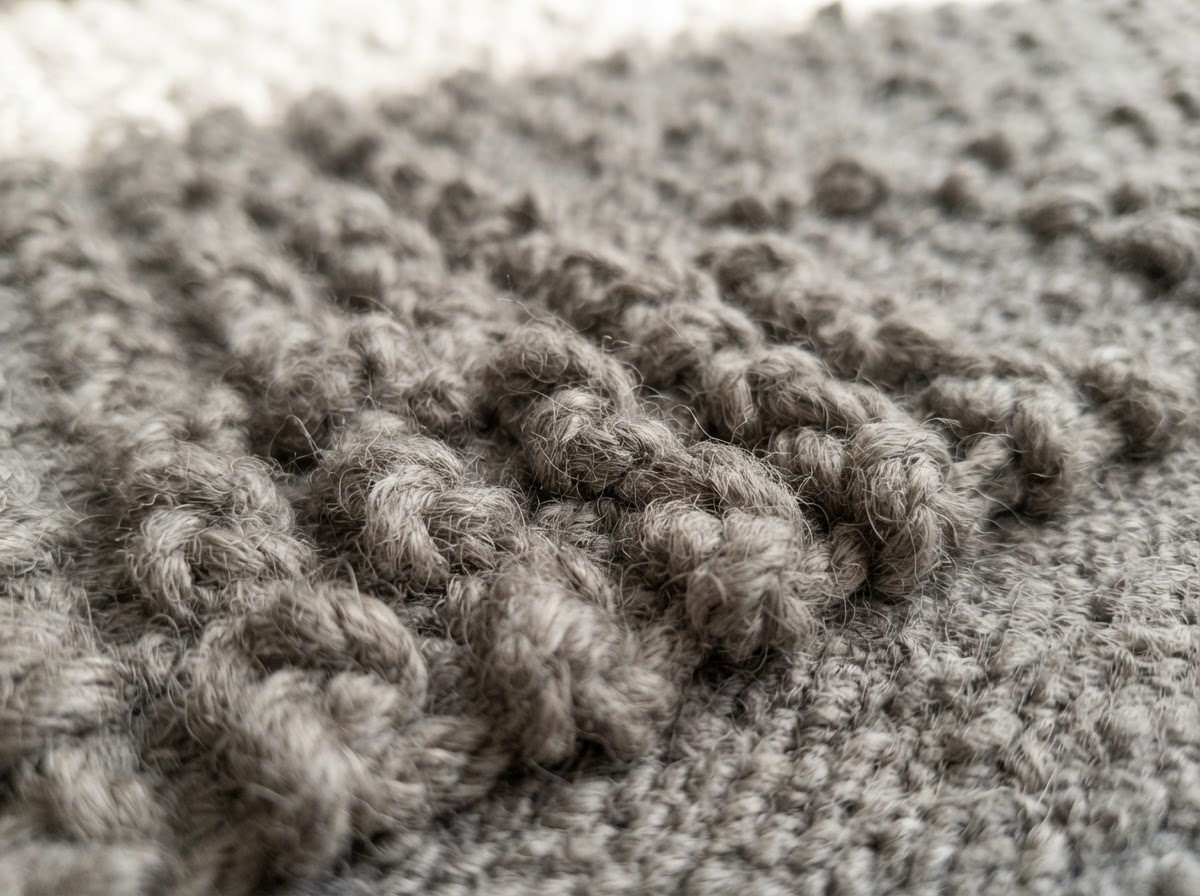
Close rug texture detail

Surface and texture

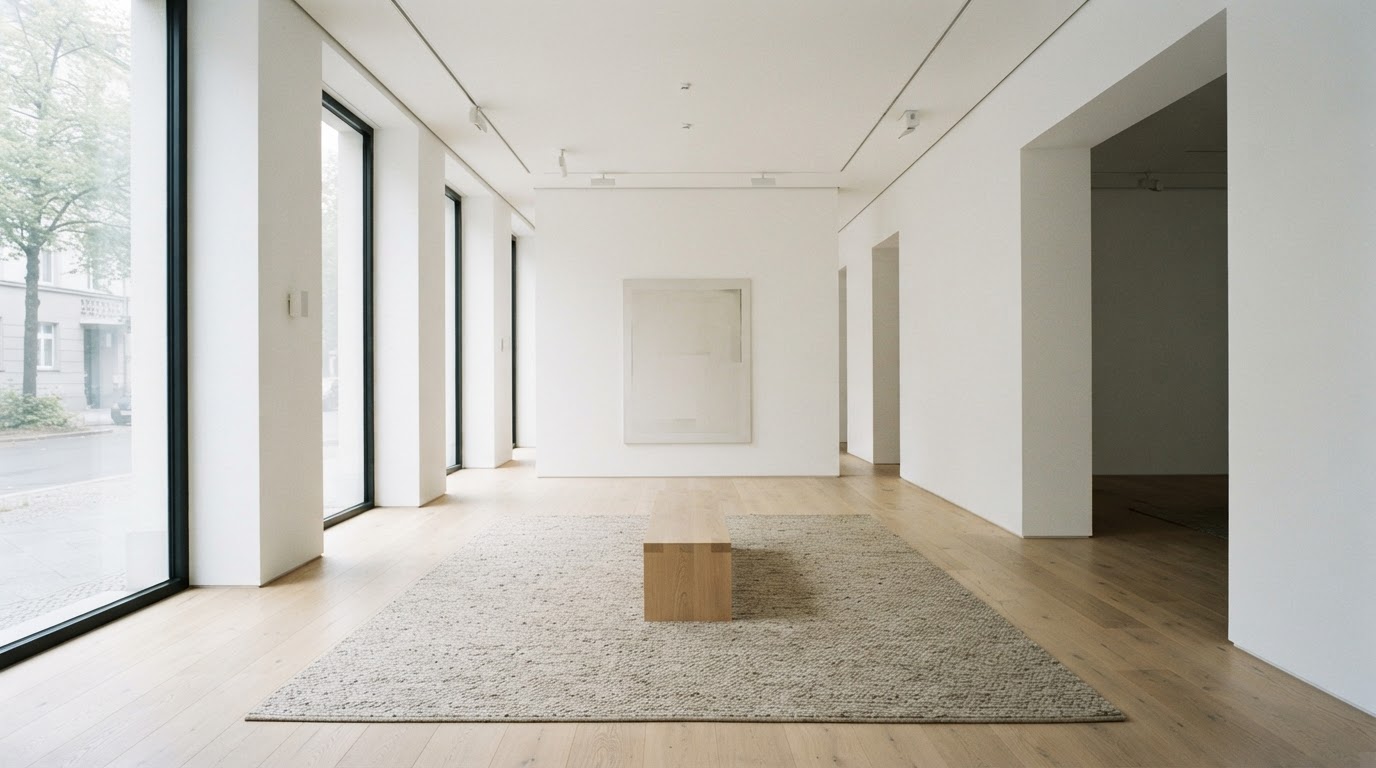
Rug in an architectural interior

Context and proportion

05Process

From an open question to a confirmed direction.

01 Define the starting point

Establish what already exists — a specification, a drawing, a reference, a collection plan or simply a set of requirements.

02 Understand the requirements

Clarify the environment, the quantities, the timeline expectations and the decisions that still need to be made.

03 Explore scale and design

Work through dimensions, shape and proportion in relation to the intended space.

04 Discuss material and construction

Consider how fibre, structure and density will shape the surface, colour and tactile character.

05 Refine the specification

Bring scale, material and construction together into a clear, workable direction.

06 Sampling or development where appropriate

Produce samples where they help resolve remaining decisions; not every project requires this step.

07 Confirm the final direction

Agree the specification that will move into production.

08 Production

The rug is made in Jaipur according to the confirmed specification.

09 Quality review

The finished piece is reviewed against the agreed specification before export.

10 Export preparation

The piece is prepared for international dispatch. Specific lead times, costs and duties depend on the project and destination.

06Spaces

The intended environment shapes the specification.

Residential

Rugs developed around proportion, atmosphere, material palette and the way a home is lived in.

Hospitality

Repeated pieces, coordinated ranges and surfaces shaped by use, scale and guest environments.

Commercial

Specification control, consistency and coordination across larger interior developments.

07Explore Germany

Sixteen regional perspectives.

Each state has its own interior culture and project conditions. Every link opens a dedicated regional page.

Hanseatic PrecisionMaritime-durable textures and large-scale commercial hospitality.
05BremenBremen 06HamburgHamburg
Rhineland IndustrialOffice-appropriate density, acoustics and corporate standards.
07HesseHessen 10North Rhine-WestphaliaNordrhein-Westfalen
Southern SophisticationPremium residential warmth and hospitality density.
01Baden-WürttembergBaden-Württemberg 02BavariaBayern 11Rhineland-PalatinateRheinland-Pfalz
Eastern Avant-GardeExperimental shapes, adaptive reuse and heritage transformation.
03BerlinBerlin 04BrandenburgBrandenburg 13SaxonySachsen 14Saxony-AnhaltSachsen-Anhalt 16ThuringiaThüringen
Cross-RegionalCompact projects at the meeting point of regional sensibilities.
12SaarlandSaarland
08Borders

Regional context is useful. It is not a limit.

Projects are not confined to a single state. The perspectives provide a useful starting language for the brief, while the actual work responds to the environment, requirements and design direction in front of us.

09Audiences

Who the work is for.

Interior Designers

Projects that begin with a design direction — references, palettes, proportions and a sense of how a room should feel. Planet Arts works from that direction toward a specification that holds up in production.

Architects

Projects that begin with a requirement — dimensions, floor plans, technical constraints and a clear relationship to the architecture. The work is to translate that requirement into a made object.

Hospitality Teams

Hotels, restaurants and hospitality groups developing repeated pieces, coordinated ranges and specifications shaped by use, scale and the demands of a guest environment.

Retailers

Furniture and homeware businesses building a rug offer — individual products, curated selections or ranges developed to sit alongside an existing collection.

Rug and Homeware Brands

Brands developing multiple products or coordinated collections, often working from a collection plan and building a family of related pieces rather than a single rug.

Commercial Project Teams

Procurement and commercial interior teams managing larger developments, where consistency, specification control and coordination across many pieces matter as much as any single rug.

10FAQ

Frequently asked.

Practical questions about how development works. Lead times, shipping costs and duties depend on the project.

Yes. Many projects begin with a defined specification rather than a finished product. Exact dimensions, shape, material direction, construction method and colour references can all form the starting point. Planet Arts enters the project at the stage you have reached and works from there toward production.

Yes. Drawings, floor plans and technical schedules are a useful starting point. They allow dimensions, placement and proportion to be understood before material and construction decisions are explored.

Dimensions and shapes can be developed to suit the project. Rectangular, circular, organic and irregular outlines can all be addressed, including rugs cut to fit specific architectural conditions.

Yes. Reference images, artwork, material samples and palette directions can be used as the basis for development. The reference is interpreted into a workable specification rather than copied literally.

Material and construction influence texture, surface, density, colour perception and tactile character. A heavier construction can change how a colour reads; a different fibre can shift the surface from matte to luminous. These decisions are discussed together so the specification reflects the intended outcome.

Yes. Multiple colourways can be developed within a single project or collection, allowing a coordinated range to be explored from one common structure or design.

Yes. Retailers, homeware businesses and rug brands can develop individual products or coordinated ranges. This can include building a collection plan, exploring material direction and producing multiple pieces that relate to one another.

Sampling is used where it helps the project move forward — to confirm material, colour, construction or scale. Not every project requires it, and the point at which sampling is useful depends on the brief and the decisions still to be resolved.

Useful starting information includes dimensions or floor plans, the intended environment, material or construction preferences, colour direction, reference images and quantities. None of this is required before a first conversation; the project can begin with whatever you already have.

Yes. Hospitality, commercial and large-scale projects form a significant part of the work. These projects often involve repeated pieces, coordinated ranges and specifications shaped by the demands of the space.

Collaboration is carried out digitally — sharing references, drawings and specifications, discussing material and construction, and coordinating development, sampling where appropriate, production and export preparation. Planet Arts is based in Jaipur, India and works with international clients throughout the project.

12 — Define the Starting Point

Define the
starting point.

A project begins with whatever you already have. Share any of the following and the conversation moves forward from there.

Start a Project