USA Export / Missouri
USA Export · Midwest

Handmade and Custom Rugs for Missouri

Missouri is relevant to Planet Arts because st. louis historic interiors, kansas city design and branson hospitality. Those conditions create different rug questions from a catalog purchase: how a piece meets the architecture, how its scale supports furniture and how its construction responds to the room's use.

Planet Arts hand-knotted, hand-tufted and handloom rugs provide range across formal and public rooms. for professional buyers in Missouri

Planet Arts develops rugs in India for professional buyers. This resource is about st. louis historic interiors, kansas city design and branson hospitality, with practical guidance for translating a Missouri project into a material, construction and export brief.

State Context

Missouri offers a mix of urban historic, regional commercial and destination hospitality contexts where rugs can establish scale and soften transition between eras.
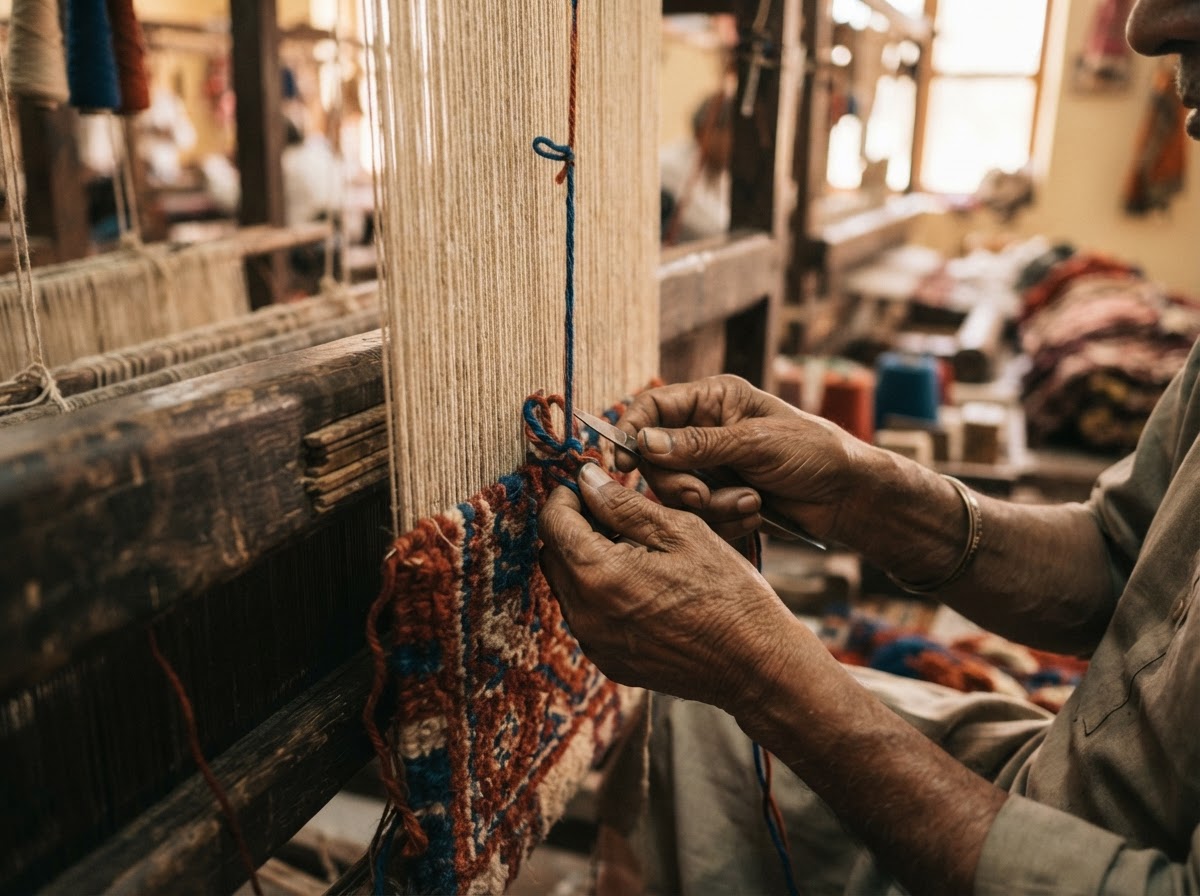
Missouri offers a mix of urban historic, regional commercial and destination hospitality contexts where rugs can establish scale and soften transition between eras. In this setting, a rug should be read alongside the state's historic renovation; entertainment hospitality; restaurant interiors, not treated as a decorative object in isolation. Architects, interior designers, retailers, hotel operators and restaurant groups may need both character-led custom pieces and efficient repeat sizes. Scale, light, floor finish, upholstery and circulation will change how the same artwork or fiber reads, so a professional brief should describe those relationships before a construction is selected.

Residential Direction

Tailored pattern, durable texture and subtle historic references can suit St. Louis homes, Kansas City modern interiors and destination spaces. A useful residential brief identifies the room, furniture footprint, clearances and the visual role of the rug. For Missouri, that may mean sizing a St. Louis rowhouse runner around the main seating group, allowing doors and circulation to work, and choosing a surface whose hand and pile suit the intended level of use. Room photographs, elevations and finish samples help the maker judge proportion instead of relying on a standard retail size.

Hospitality Direction

Runners, dining rugs and large living-room compositions can respond to varied room proportions and renovation constraints. Hospitality specifications should distinguish guest rooms from corridors, lounges, dining areas and arrival zones because traffic, furniture movement and maintenance are different in each. a Branson resort; a Kansas City restaurant; a St. Louis theater lounge A custom program can use one visual language with different profiles or sizes, provided each location is described separately and the approval sample is judged against the actual floor, lighting and furniture context.

Commercial Direction

Hotels, theaters, restaurants and entertainment venues can use rugs to direct guest flow and create distinct seating zones. In commercial work, the rug is often part of a larger finish schedule or spatial plan. Buyers should document circulation, furniture loading, cleaning access, replacement expectations and any project-specific contract requirements before comparing samples. A coordinated schedule helps different venues maintain a shared identity without forcing one identical rug everywhere.

Indian Manufacturing

Why source through an India-based manufacturer?

An India-based manufacturing conversation can be useful for Missouri buyers when the brief needs hand-knotted, hand-tufted and handloom rugs provide range across formal and public rooms. rather than an off-the-shelf size. Handmade construction, material choices, color development, sampling and dimensions can be discussed together, then documented for production; site conditions, care, approvals and import coordination remain project decisions.

Flexible Development

Hand-knotted, hand-tufted and handloom rugs provide range across formal and public rooms.

Material Choices

Wool gives body and resilience in the visual brief; cotton accents can keep smaller pieces light. Material choice should follow exposure, hand, visual depth and care requirements. Wool may be evaluated for tactile warmth and color richness; cotton or blended options may suit lighter decorative roles; woven natural-fiber surfaces may be appropriate only where the room and maintenance plan support them. Physical sampling is important because daylight, warm artificial light, stone, timber and upholstery all change perceived color and texture.

Sampling First

A coordinated schedule helps different venues maintain a shared identity without forcing one identical rug everywhere.

Design & Architecture

Reading the rug with the Missouri project.

Missouri offers a mix of urban historic, regional commercial and destination hospitality contexts where rugs can establish scale and soften transition between eras. St. Louis, Kansas City, Columbia, Branson bring different scales and finish relationships to the same editorial angle.

Residential Applications

Rugs for homes, renovations and private rooms.

Tailored pattern, durable texture and subtle historic references can suit St. Louis homes, Kansas City modern interiors and destination spaces. A useful residential brief identifies the room, furniture footprint, clearances and the visual role of the rug. For Missouri, that may mean sizing a St. Louis rowhouse runner around the main seating group, allowing doors and circulation to work, and choosing a surface whose hand and pile suit the intended level of use. Room photographs, elevations and finish samples help the maker judge proportion instead of relying on a standard retail size.

Hospitality Applications

From arrival zones to guest rooms.

Runners, dining rugs and large living-room compositions can respond to varied room proportions and renovation constraints. Hospitality specifications should distinguish guest rooms from corridors, lounges, dining areas and arrival zones because traffic, furniture movement and maintenance are different in each. a Branson resort; a Kansas City restaurant; a St. Louis theater lounge A custom program can use one visual language with different profiles or sizes, provided each location is described separately and the approval sample is judged against the actual floor, lighting and furniture context. These are example applications, not claims of existing Planet Arts projects or customers.

Review the USA export portal
Commercial & Contract

Rugs for professional and public interiors.

Hotels, theaters, restaurants and entertainment venues can use rugs to direct guest flow and create distinct seating zones. In commercial work, the rug is often part of a larger finish schedule or spatial plan. Buyers should document circulation, furniture loading, cleaning access, replacement expectations and any project-specific contract requirements before comparing samples. A coordinated schedule helps different venues maintain a shared identity without forcing one identical rug everywhere.

Rug Types & Materials

Categories chosen for the context.

Hand-knotted, hand-tufted and handloom rugs provide range across formal and public rooms. are relevant starting points for Missouri buyers because they cover the project's need for historic renovation. The right category still depends on the room, size, traffic and design intent.

Material Selection

Wool gives body and resilience in the visual brief; cotton accents can keep smaller pieces light. Material choice should follow exposure, hand, visual depth and care requirements. Wool may be evaluated for tactile warmth and color richness; cotton or blended options may suit lighter decorative roles; woven natural-fiber surfaces may be appropriate only where the room and maintenance plan support them. Physical sampling is important because daylight, warm artificial light, stone, timber and upholstery all change perceived color and texture.

Construction Selection

Knotted work suits historic detail; handloom and tufting can support contemporary graphics. Handloom and flatweave constructions can keep a profile controlled for entries, thresholds and circulation. Hand-tufted rugs can support broad artwork, relief and a softer focal surface in protected rooms. Hand-knotted work can reward detailed pattern and a more formal visual role. Kilim or braided approaches may be considered when a flatter, woven or craft-led expression is central to the brief; the final choice should follow traffic, furniture movement, maintenance and design intent rather than category labels alone.

Project Scale

St. Louis, Kansas City, Columbia, Branson offer different project contexts; the same material may need a different profile in a private room, public corridor or broad hospitality space.

Custom Rug Development

From concept brief to export-ready specification.

Custom development begins with an artwork brief and measured sizes, then moves through color, material, construction, sampling, approval, production, inspection and export documentation. For Missouri, a coordinated schedule helps different venues maintain a shared identity without forcing one identical rug everywhere. a St. Louis rowhouse runner; a Kansas City dining piece; a Branson lobby rug; dimensions, edge treatment, repeat scale and coordinated sizes should be resolved before production.

Example Project Scenarios

How a buyer might apply the guidance.

Hypothetical Missouri applications for professional planning, not claims of Planet Arts projects.

An interior studio developing a St. Louis rowhouse runner may need a full-room elevation, furniture clearances and a response to missouri offers a mix of urban historic, regional commercial and destination hospitality contexts where rugs can establish scale and soften transition between eras..

An architecture practice working on historic renovation may need a material board and sample log; St. Louis review should record a coordinated schedule helps different venues maintain a shared identity without forcing one identical rug everywhere..

A hospitality team planning a Branson resort may need separate arrival, seating and circulation specifications shaped by runners, dining rugs and large living-room compositions can respond to varied room proportions and renovation constraints..

An independent retailer serving St. Louis may need a small assortment built around hand-knotted, hand-tufted and handloom rugs provide range across formal and public rooms., with repeatable sizes and care information.

Sourcing Process

A clear path for a professional enquiry.

  1. 1. share the room, project type, destination and target quantity.
  2. 2. provide dimensions, artwork, furniture plans, finish references, traffic and care expectations.
  3. 3. Design discussion: compare palette, motif, scale, material hand and edge treatment.
  4. 4. Material and construction selection: match the surface to use, profile, visual impact and maintenance.
  5. 5. review artwork, color, texture and size logic with physical or agreed development samples.
  6. 6. record the approved construction, colors, dimensions, tolerances and revision status.
  7. 7. manufacture against the approved specification and agreed commercial terms.
  8. 8. review workmanship, dimensions, finish and packing before dispatch.
  9. 9. coordinate documentation, freight, destination details, duties and delivery terms for the specific order.
  10. 10. confirm receiving access, installation responsibility, underlay and care instructions.
Specification Checklist

Questions to resolve before approval.

  • room and exact finished dimensions
  • furniture plan, door swings and clearances
  • traffic level and protected versus public use
  • material, yarn color and tactile objective
  • construction, pile or profile and edge finish
  • artwork, repeat, border and color references
  • underlay, cleaning and maintenance expectations
  • quantity, coordinated sizes and replacement needs
  • sample type, approval owner and revision status
  • project timeline, destination and shipping terms
Buyer Profiles

Who can use this sourcing resource?

The most relevant partners in Missouri are architects; designers; hotel teams; retailers. Interior designers and architects may lead artwork, room relationships and construction decisions; hospitality designers and procurement teams may coordinate quantities, approvals and installation requirements; retailers, wholesalers, sourcing companies and home décor brands may need repeatable sizes, product information and consistent sampling. Planet Arts can be considered when those parties need an India-based manufacturing discussion tied to a defined project brief.

International Sourcing

Planning the export side of the order.

International sourcing requires agreement on destination, packaging, documentation, freight responsibility, duties or taxes, receiving access and delivery terms for the individual order. A coordinated schedule helps different venues maintain a shared identity without forcing one identical rug everywhere. Ports and carrier routes are general context, not a promised route or transit time.

Questions

Missouri rug sourcing FAQs

Can a Missouri program use related but different rugs?

Missouri is relevant to Planet Arts because st. louis historic interiors, kansas city design and branson hospitality. Those conditions create different rug questions from a catalog purchase: how a piece meets the architecture, how its scale supports furniture and how its construction responds to the room's use.

How should a historic room be measured?

Confirm architectural constraints, traffic, furniture layouts, cleaning plan and whether the project needs a collection or a single statement.

Which rug works in an entertainment venue?

Wool gives body and resilience in the visual brief; cotton accents can keep smaller pieces light.

Can a restaurant use custom dining dimensions?

Knotted work suits historic detail; handloom and tufting can support contemporary graphics.

What helps coordinate several venues?

a St. Louis rowhouse runner; a Kansas City dining piece; a Branson lobby rug

How should traffic be described in the brief?

a Branson resort; a Kansas City restaurant; a St. Louis theater lounge

What should a Missouri buyer include in an initial rug enquiry?

Hotels, theaters, restaurants and entertainment venues can use rugs to direct guest flow and create distinct seating zones.

How can construction be matched to historic renovation?

Architects, interior designers, retailers, hotel operators and restaurant groups may need both character-led custom pieces and efficient repeat sizes.

Can related rugs be developed for more than one room or site in Missouri?

A coordinated schedule helps different venues maintain a shared identity without forcing one identical rug everywhere.

What should be recorded before approving a custom rug for St. Louis?

Missouri offers a mix of urban historic, regional commercial and destination hospitality contexts where rugs can establish scale and soften transition between eras.

Explore More

Continue with the USA export cluster.

Compare this state context with Montana and Nebraska, or return to the full USA export portal.